
If you’ve spent any time exploring the world of cannabinoids, you’ve likely encountered products that combine CBD and THC. But what exactly happens when these two compounds work together, and why are so many wellness enthusiasts specifically seeking out this combination?
CBD (cannabidiol) and THC (tetrahydrocannabinol) are the two most abundant cannabinoids found in the cannabis plant. While they share a similar molecular structure, they interact with your body in remarkably different ways. Understanding how CBD x THC works together can help you make smarter choices about which products might support your wellness goals.
The Fundamental Differences Between CBD and THC
Before diving into how these cannabinoids complement each other, it’s essential to understand what makes each one unique.
THC: The Psychoactive Compound
THC is the cannabinoid responsible for the euphoric “high” associated with cannabis. It binds directly to CB1 receptors in your brain, which triggers the release of dopamine and creates feelings of relaxation, altered perception, and sometimes increased creativity. Beyond its psychoactive properties, THC has been studied for its potential to support pain relief, appetite stimulation, and relaxation.
CBD: The Non-Intoxicating Counterpart
CBD doesn’t produce intoxicating effects because it doesn’t bind strongly to CB1 receptors. Instead, it influences your endocannabinoid system indirectly, helping your body maintain homeostasis—that crucial internal balance that keeps your systems running smoothly. CBD has gained popularity for its calming properties and its ability to support overall wellness without altering your state of mind.
The Entourage Effect: Why CBD x THC Is Greater Than the Sum of Its Parts
Here’s where things get interesting. When CBD and THC are consumed together, something remarkable happens: they create what scientists call the “entourage effect.” This phenomenon suggests that cannabinoids, terpenes, and other plant compounds work synergistically to enhance each other’s benefits while potentially minimizing unwanted effects.
Research indicates that CBD may actually modulate how THC interacts with your receptors. For many people, this means experiencing THC’s benefits—like deep relaxation and mood elevation—while CBD helps smooth out the experience, potentially reducing anxiety or paranoia that some users report with THC alone.
Think of it like a musical duet: each instrument sounds beautiful on its own, but when played together in harmony, they create something richer and more nuanced than either could achieve solo.
How Different CBD to THC Ratios Affect Your Experience
Not all CBD x THC products are created equal. The ratio of these two cannabinoids dramatically influences what you’ll feel, making it crucial to understand your options.
High CBD, Low THC (20:1 or higher)
Products with significantly more CBD than THC offer wellness benefits with minimal psychoactive effects. These are ideal for people who want to explore cannabinoids during their workday or who are particularly sensitive to THC.
Balanced Ratios (1:1 to 5:1)
A balanced approach gives you noticeable effects from both cannabinoids. Many users find this sweet spot offers the best of both worlds—meaningful relaxation from THC paired with CBD’s moderating influence. Hybrid formulations in this range are popular for evening use or weekend relaxation.
High THC, Low CBD
These products emphasize THC’s effects while using CBD as a supporting player. They’re typically chosen by experienced users who want stronger psychoactive effects but still appreciate CBD’s balancing properties.
The Science Behind How These Cannabinoids Interact
Your endocannabinoid system (ECS) is a complex network of receptors, enzymes, and endocannabinoids that helps regulate sleep, mood, appetite, immune function, and more. Both CBD and THC interact with this system, but in different ways.
THC mimics your body’s natural endocannabinoids by binding to CB1 receptors, primarily found in the brain and central nervous system. This direct interaction is what produces THC’s psychoactive effects.
CBD works more subtly. Rather than binding directly to cannabinoid receptors, it influences how those receptors function and may increase your body’s natural endocannabinoid levels. Some research suggests CBD can actually reduce THC’s ability to bind to CB1 receptors, which may explain why many people report feeling more “balanced” when using both cannabinoids together.
Beyond CBD and THC: The Role of Minor Cannabinoids
While CBD and THC get most of the attention, the cannabis plant contains over 100 different cannabinoids. Many modern products now incorporate minor cannabinoids like CBG, CBN, and CBC to create more targeted effects.
For example, products combining THC with CBN (cannabinol) are often marketed for sleep support, while THC paired with CBG (cannabigerol) may offer more energizing, focus-enhancing properties. Understanding these combinations opens up a world of possibilities for personalizing your cannabinoid experience.
Choosing the Right CBD x THC Product for Your Needs
With so many options available, selecting the right product can feel overwhelming. Here are some factors to consider:
- Your experience level: If you’re new to cannabinoids, start with higher CBD ratios and lower THC amounts. You can always work your way up.
- Your goals: Are you seeking relaxation, sleep support, mood enhancement, or general wellness? Different ratios and formulations target different needs.
- Timing: Products with higher THC content are typically better suited for evenings or days when you don’t need to be fully alert.
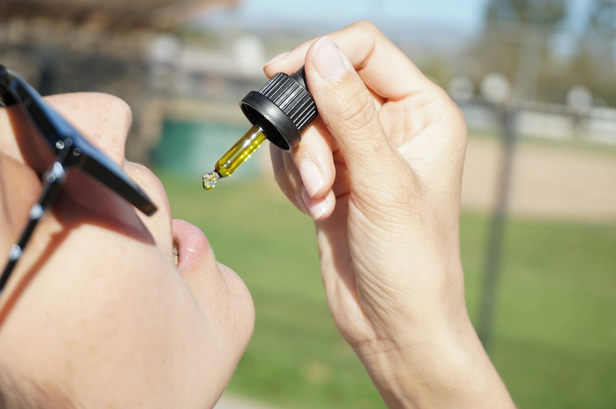
- Delivery method: Gummies and edibles take longer to kick in (30 minutes to two hours) but provide longer-lasting effects. Tinctures and vapes work faster but may not last as long.
What to Expect When Taking CBD and THC Together
If you’re trying a CBD x THC product for the first time, patience is key—especially with edibles. Unlike smoking or vaping, where effects can be felt within minutes, gummies and other edibles are processed through your digestive system. This means the onset is slower, but the effects typically last much longer, sometimes six to eight hours.
Start with a low dose and give yourself plenty of time to assess how you feel before considering more. Many experienced users recommend starting with half a gummy if you’re new to THC, then waiting at least two hours before deciding if you want to adjust your dose.
Legal Considerations for CBD x THC Products
Thanks to the 2018 Farm Bill, hemp-derived products containing less than 0.3% THC by dry weight are federally legal in the United States. This has opened the door for hemp-derived THC products, including gummies that contain measurable amounts of delta-9 THC while remaining compliant with federal law.
However, state laws vary significantly. Some states have additional restrictions on THC products, even those derived from hemp. Always check your local regulations before purchasing, and be aware that products containing THC may still show up on drug tests.
Frequently Asked Questions
What is the main difference between CBD and THC?
CBD (cannabidiol) is non-intoxicating and won’t produce a high, while THC (tetrahydrocannabinol) is psychoactive and creates euphoric effects. Both interact with your endocannabinoid system but bind to different receptors, resulting in distinct experiences and benefits.
Can you take CBD and THC together?
Yes, many people combine CBD and THC to experience the entourage effect, where cannabinoids work synergistically for enhanced benefits. CBD may also help moderate some of THC’s more intense effects, creating a more balanced experience.
Will CBD x THC products show up on a drug test?
Products containing THC can cause a positive drug test result. While CBD alone typically won’t trigger a positive test, full-spectrum CBD products contain trace amounts of THC that could potentially accumulate. Choose broad-spectrum or CBD isolate products if drug testing is a concern.
